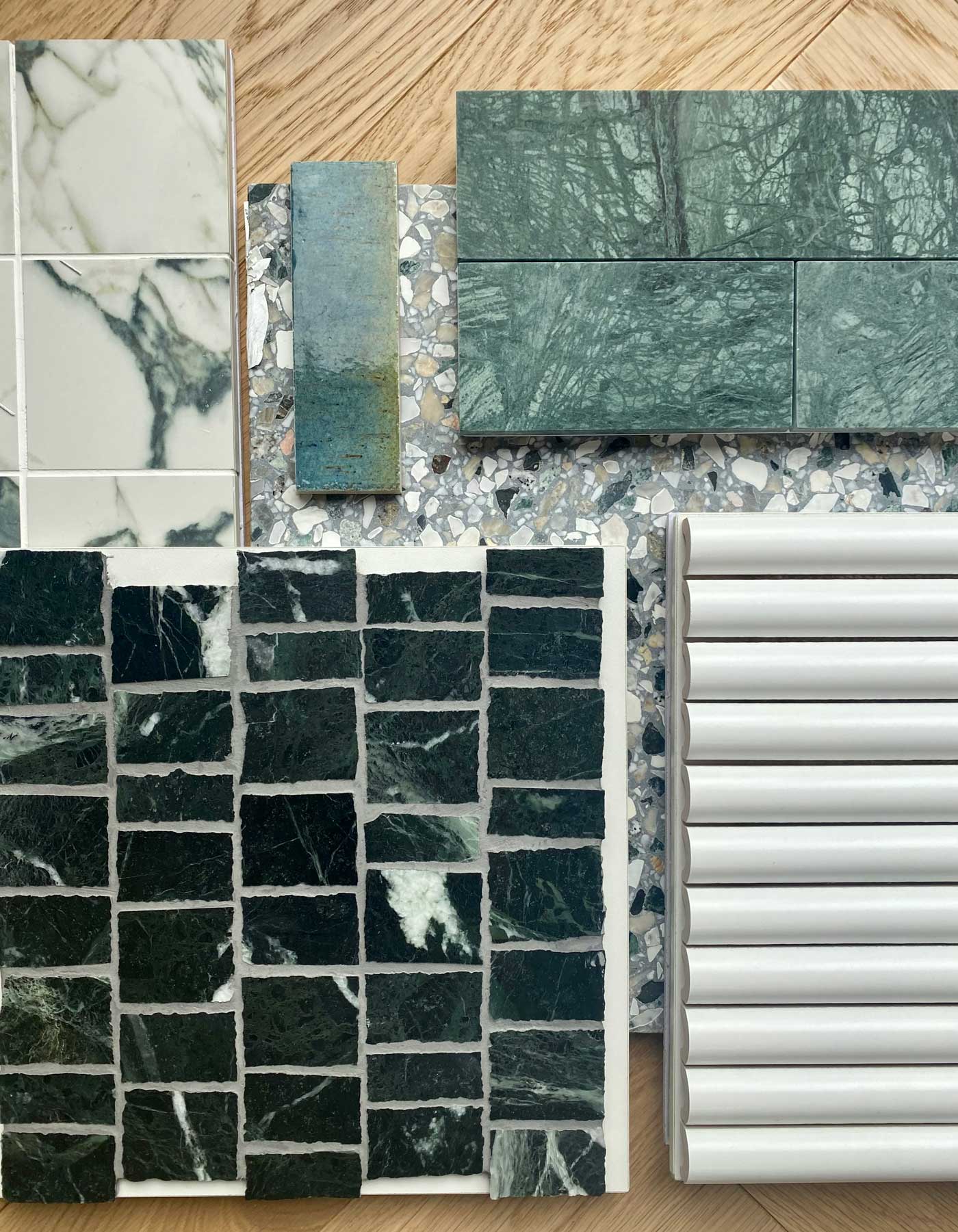
Luxury marble mosaics have long been associated with refined interiors, craftsmanship, and enduring style. Their ability to introduce intricate detail, texture, and natural beauty makes them a popular choice for designers and homeowners seeking to elevate residential spaces.
Unlike large-format tiles, marble mosaics draw attention through repetition and pattern. They create visual rhythm, soften hard surfaces, and bring a sense of bespoke design to interiors. When chosen thoughtfully, they add elegance without overpowering the space.
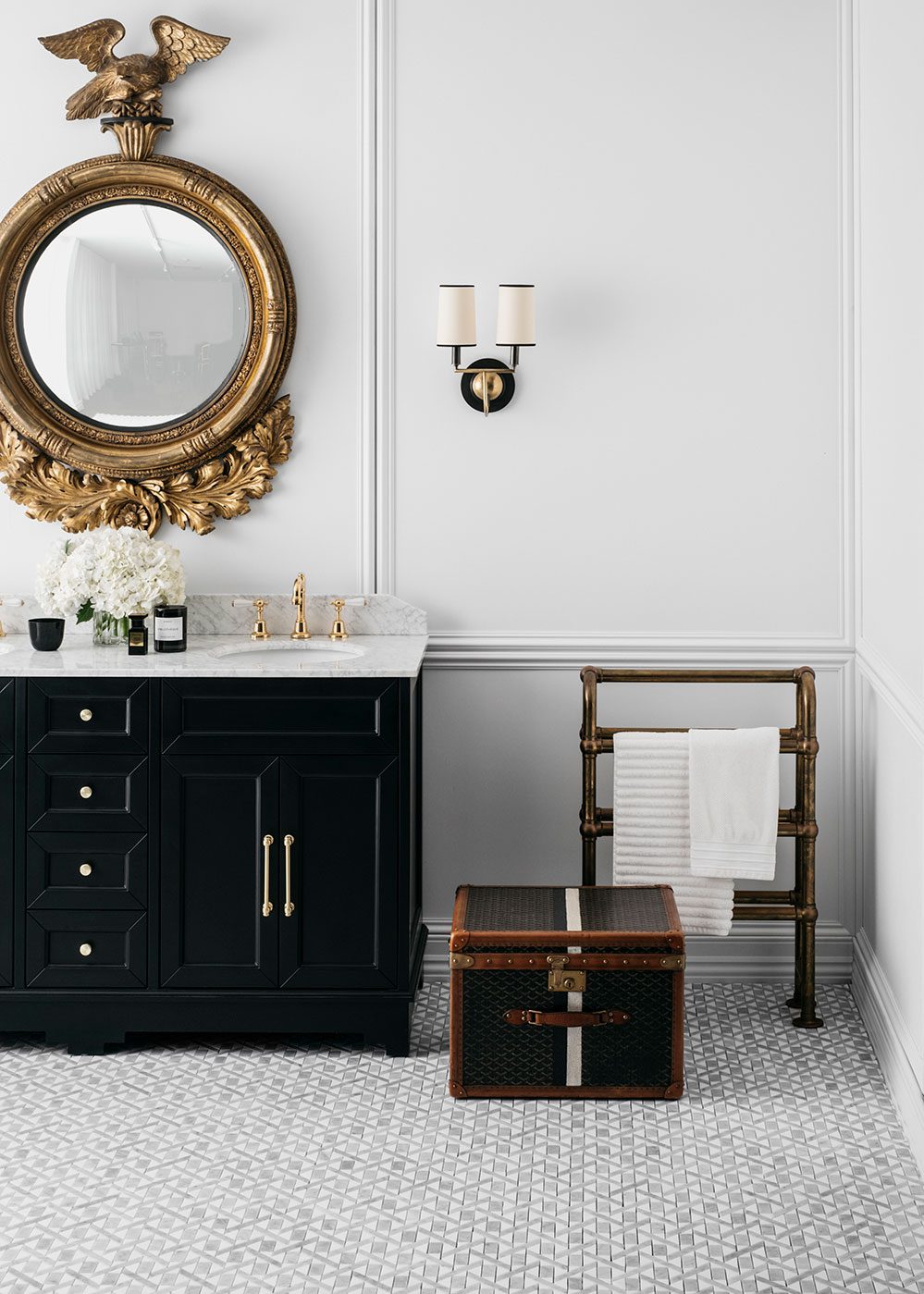
Image Credit: Designer: Steve Cordony, Photographer: Felix Forest
Why Marble Remains a Luxury Interior Material
Marble has been used in architecture and design for centuries, symbolising craftsmanship, permanence, and luxury. Its natural formation process gives each tile unique veining and tonal variation, ensuring no two installations are ever the same.
Marble tiles continue to be specified in premium homes because they offer more than aesthetic appeal. They provide a tactile quality and visual depth that manufactured materials struggle to replicate. Whether used sparingly or as a focal element, marble introduces a sense of authenticity and refinement.
What Defines Luxury Marble Mosaics
Luxury marble mosaics are defined by precision, material quality, and thoughtful design. Their small-format composition allows for intricate layouts, from classic penny rounds to stacked or geometric arrangements.
Veining plays a significant role in their appeal. Subtle variations create movement and interest, while refined colour palettes maintain balance. Surface finishes also influence the overall look. Polished mosaics reflect light and enhance elegance, while honed finishes offer a softer, more understated aesthetic.
The craftsmanship involved in mosaic production ensures alignment, consistency, and durability, all of which contribute to a premium result.
Where to Use Marble Mosaics in the Home
Marble mosaics are most effective when used intentionally. Bathrooms are a natural choice, particularly for feature walls, vanity splashbacks, and shower niches where detail can be appreciated up close.
In kitchens, marble mosaics work beautifully as splashbacks, adding texture without competing with cabinetry or benchtops. Decorative flooring zones, such as powder rooms or entryways, benefit from mosaic detailing that introduces character while remaining timeless.
When used in moderation, marble mosaics enhance architectural features rather than dominate them.
Understanding Marble Types, Colours and Finishes
Selecting the right marble begins with understanding colour and veining. Lighter stones such as Calacatta and Carrara remain enduring favourites due to their versatility and brightness. However, richer and darker marbles are increasingly used to create depth and drama in contemporary interiors.
Veining patterns vary from subtle and linear to bold and expressive. Choosing the right balance ensures the mosaic complements surrounding materials rather than competing with them.
Finishes also matter. Polished marble highlights veining and reflects light, while honed marble provides a matt, refined appearance that suits understated designs.
Using Marble Mosaics with Other Materials
Marble mosaics pair exceptionally well with other materials when balance is carefully considered. Porcelain tiles offer durability and consistency, making them ideal companions for marble in high-use areas. Terrazzo introduces texture and colour, creating contrast while maintaining cohesion.
Combining materials allows marble to shine without excessive use. Neutral large-format tiles can frame mosaic features, ensuring the design remains visually calm and cohesive.
Practical Considerations When Choosing Marble Mosaics
Despite their beauty, marble mosaics require informed decision-making. Marble is porous and should always be sealed prior to installation. Sealing helps protect against staining and extends the lifespan of the tile.
Maintenance is straightforward when approached correctly. pH-neutral cleaners should be used, and harsh chemicals avoided to preserve the stone’s natural surface. With proper care, marble mosaics age gracefully and develop character over time.
Designing Timeless Interiors with Marble Mosaics
Timeless design is achieved through restraint and quality. Rather than following fleeting trends, selecting classic mosaic patterns and natural colour palettes ensures longevity.
Luxury marble mosaics work best when they enhance architecture rather than compete with it. Thoughtful placement, balanced material combinations, and a clear design intent result in interiors that remain elegant for years to come.
Choosing Premium Marble Mosaics with Di Lorenzo
Di Lorenzo offers a carefully curated selection of premium marble mosaics designed to suit both contemporary and classic interiors. With a strong focus on material quality, design integrity, and expert guidance, Di Lorenzo supports homeowners and designers in creating refined, lasting spaces.
Choosing luxury marble mosaics is about more than appearance. It is about craftsmanship, longevity, and creating interiors that feel considered and enduring.
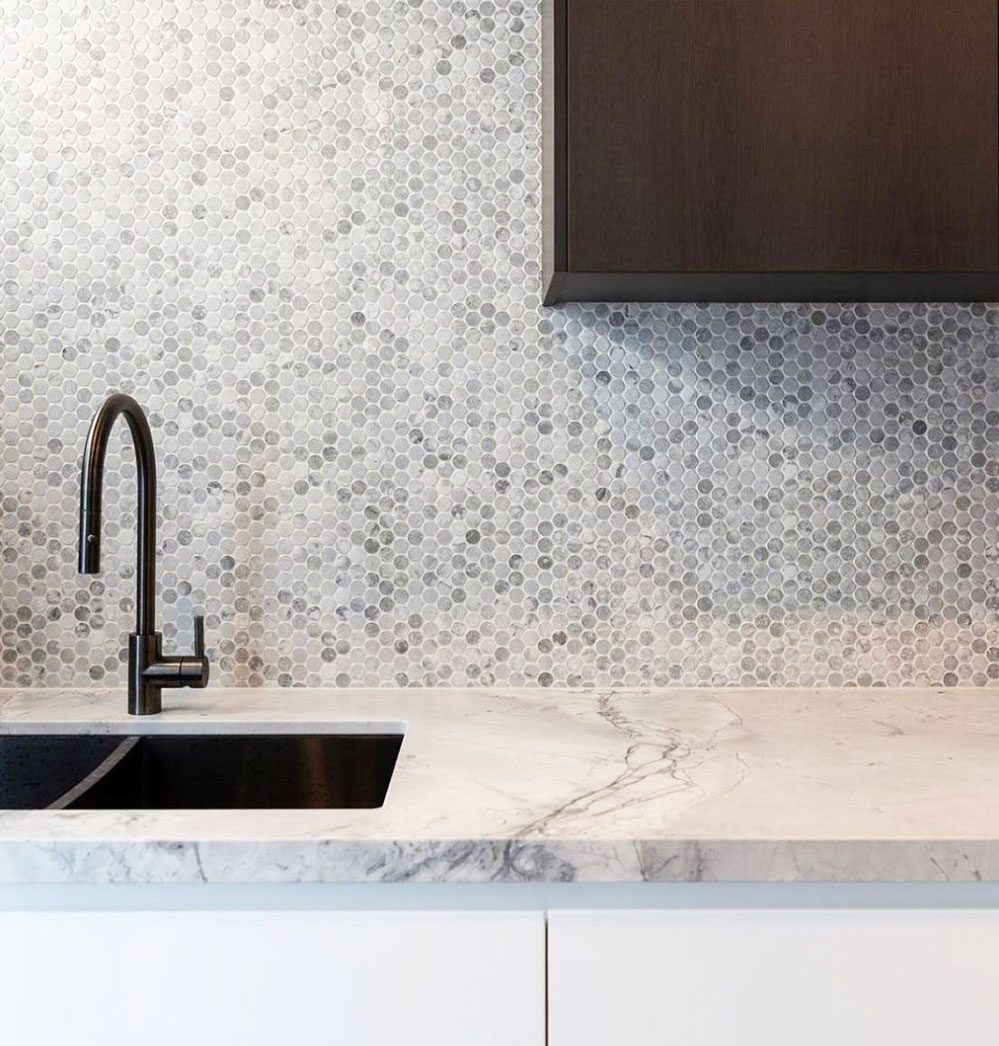
Image Credit: Designer: Anita Nader Design, Photography: Simon Whitebread
Frequently Asked Questions
What are luxury marble mosaics?
Luxury marble mosaics are small-format marble tiles arranged in decorative patterns, offering refined detail and natural variation.
Where can marble mosaics be used in the home?
They are commonly used in bathrooms, kitchens, decorative flooring areas, and feature walls.
Are marble mosaics suitable for wet areas?
Yes, when properly sealed and maintained, marble mosaics are suitable for wet areas such as bathrooms.
How do you maintain marble mosaic tiles?
They should be sealed before installation and cleaned using pH-neutral cleaners to prevent damage or staining.
Can marble mosaics be combined with other tile materials?
Yes, marble mosaics pair well with porcelain, terrazzo, and large-format tiles for balanced design.