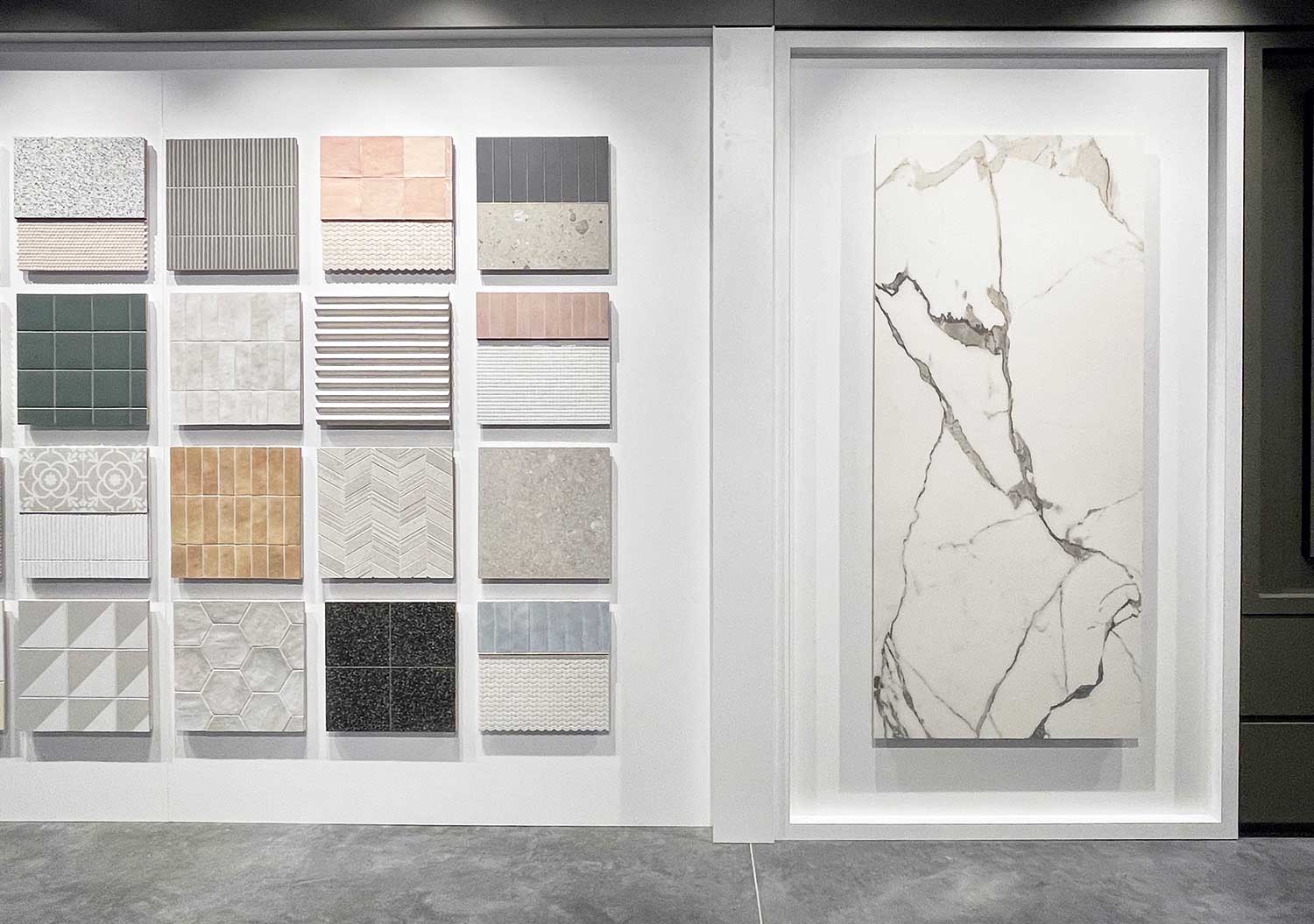
Bathrooms are one of the few spaces in the home where creative freedom is encouraged. Unlike living areas or kitchens, bathrooms are more contained, making them ideal for expressive design choices. This is where decorative tiles come into their own.
Decorative tiles in your bathroom allow you to introduce colour, texture, and personality in a way that feels intentional rather than overwhelming. Whether your goal is subtle sophistication or bold visual impact, decorative tiles provide a flexible design tool that can be tailored to suit both contemporary and classic interiors.
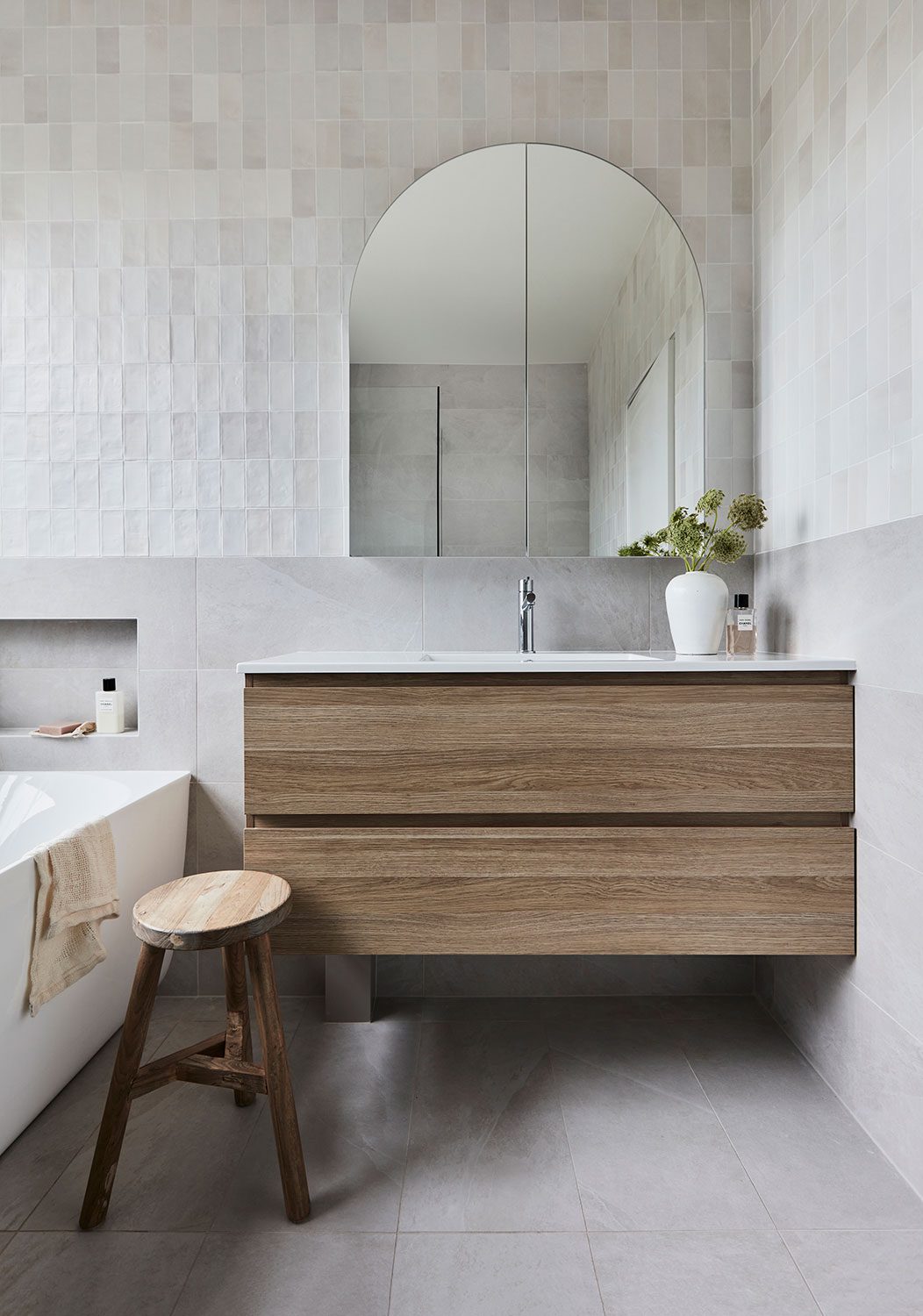
Image Credit: Designed by: Jodie Carter Design
Why Bathrooms Are Ideal for Decorative Tiles
Bathrooms offer a unique opportunity for experimentation. Their smaller footprint allows for confident material choices without affecting the overall flow of the home. This makes decorative bathroom tiles particularly effective in these spaces.
Because bathrooms are often designed as personal retreats, they benefit from thoughtful details that elevate the everyday experience. Decorative tiles help achieve this by adding depth and visual interest, transforming functional spaces into refined environments.
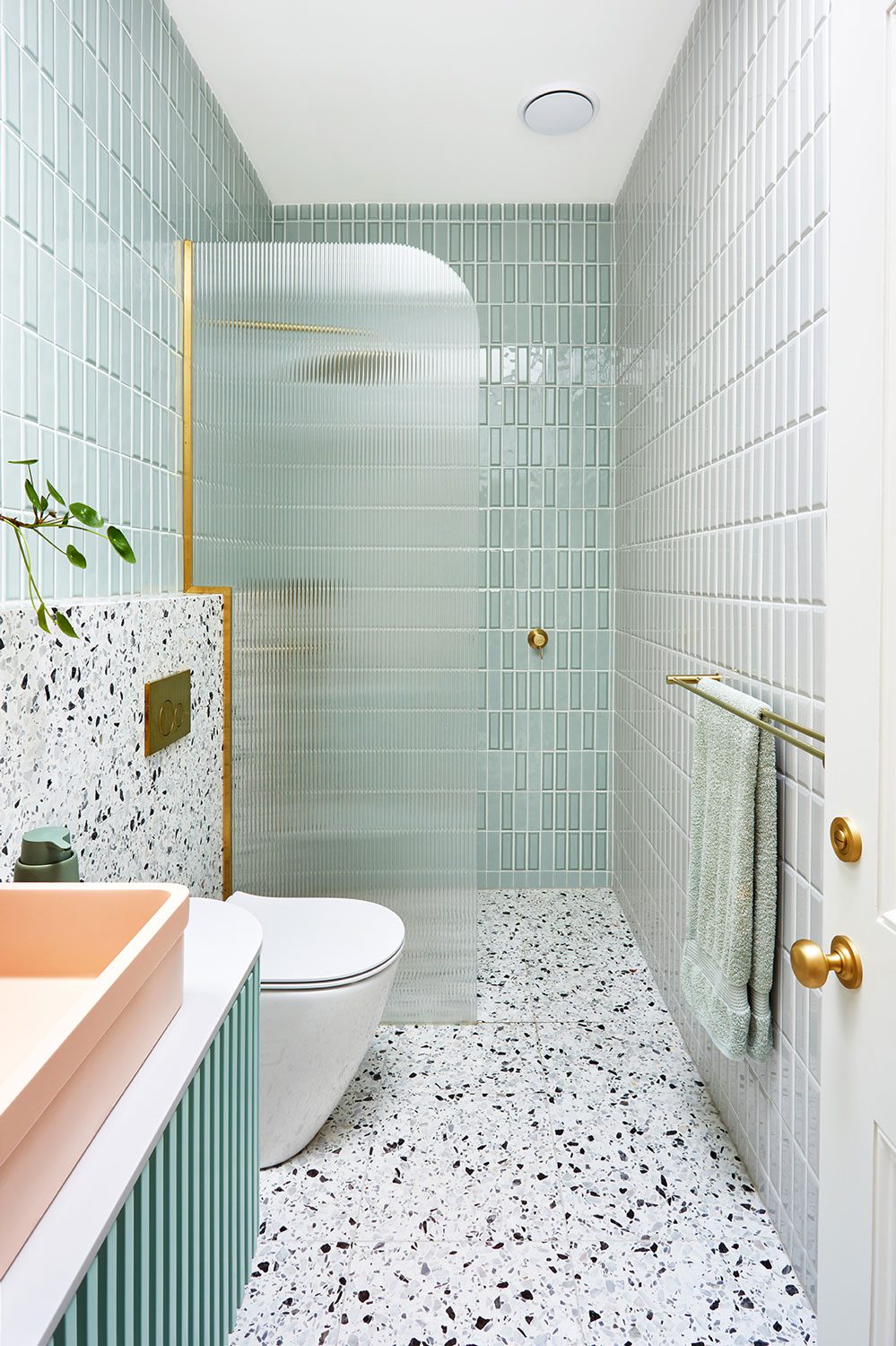
Designed by JDZ Designs, Photography Danella Chalmers
What Are Decorative Tiles?
Decorative tiles are defined by their ability to stand out. This may be through colour, texture, pattern, shape, or finish. Unlike neutral tiles, they are chosen not just for practicality, but for their visual contribution to the space.
They can be subtle or bold, contemporary or classic. Decorative tiles might feature tonal variation, three-dimensional surfaces, or intricate patterns that draw the eye and add character to a bathroom design.
Understanding Tone, Texture and Colour
Choosing decorative tiles begins with understanding how tone, texture, and colour influence the atmosphere of a bathroom.
Tone allows for understated design. Neutral or tonal tiles add interest without strong colour contrasts, making them ideal for calm, timeless spaces. Texture introduces dimension and shadow, enhancing depth and tactility. Textured tiles work particularly well on floors or feature walls.
Colour has the most immediate impact. Bold colours create energy and personality, while softer shades promote relaxation. Decorative tiles in muted greys, tans, and whites offer versatility, while brighter colours can be used sparingly for visual highlights.
Where to Use Decorative Tiles for Best Effect
Strategic placement is essential when using decorative tiles. Feature walls behind vanities create natural focal points, while shower walls and niches allow for decorative detailing without overwhelming the room.
Floors can also benefit from decorative tiles, particularly in smaller bathrooms or powder rooms where impact is desired. Zoning with decorative tiles helps define areas and adds architectural interest.
Using Mosaics as Decorative Elements
Mosaic bathroom tiles are one of the most versatile decorative options available. Their small format allows for intricate patterns and detailed finishes across glass, porcelain, stone, or handmade materials.
Mosaics can be used boldly on feature walls or more subtly within niches or splashbacks. They are ideal for adding texture and colour while maintaining balance within the overall design.
Mixing Decorative Tiles with Other Materials
Decorative tiles work best when paired thoughtfully with simpler materials. Neutral tiles provide visual rest, allowing decorative elements to stand out. Mixing finishes, such as combining textured tiles with smooth surfaces, creates contrast without clutter.
Combining decorative tiles with materials like terrazzo or porcelain adds richness while maintaining cohesion across the bathroom.
Designing Bathrooms That Remain Timeless
Timeless bathroom design relies on restraint. While decorative tiles invite creativity, moderation ensures longevity. Selecting classic patterns, controlled colour palettes, and quality materials helps designs remain relevant over time.
Using decorative bathroom tiles as accents rather than dominant elements ensures the space feels balanced, refined, and enduring.
Finding the Right Decorative Tiles with Di Lorenzo
Di Lorenzo offers a curated selection of decorative tiles designed to suit a wide range of bathroom styles. With a focus on quality, versatility, and expert guidance, Di Lorenzo supports designers and homeowners in creating bathrooms that feel both personal and timeless.
Decorative tiles are not just about visual impact. When chosen and applied thoughtfully, they become an integral part of a well-designed bathroom.
Frequently Asked Questions
What are decorative bathroom tiles?
Decorative bathroom tiles are tiles designed to add visual interest through colour, texture, pattern, or finish.
Where should decorative tiles be used in a bathroom?
They are commonly used on feature walls, vanity splashbacks, shower areas, niches, and floors.
Can decorative tiles work in small bathrooms?
Yes. When used selectively, decorative tiles can enhance smaller bathrooms without overwhelming the space.
How do you choose decorative tiles that won’t date quickly?
Choose timeless patterns, neutral tones, and apply decorative tiles in moderation.
Are mosaic tiles considered decorative tiles?
Yes. Mosaic tiles are a popular decorative option due to their flexibility and detailed appearance.